ออกแบบการเดินทางTravel, designed in Bangkok
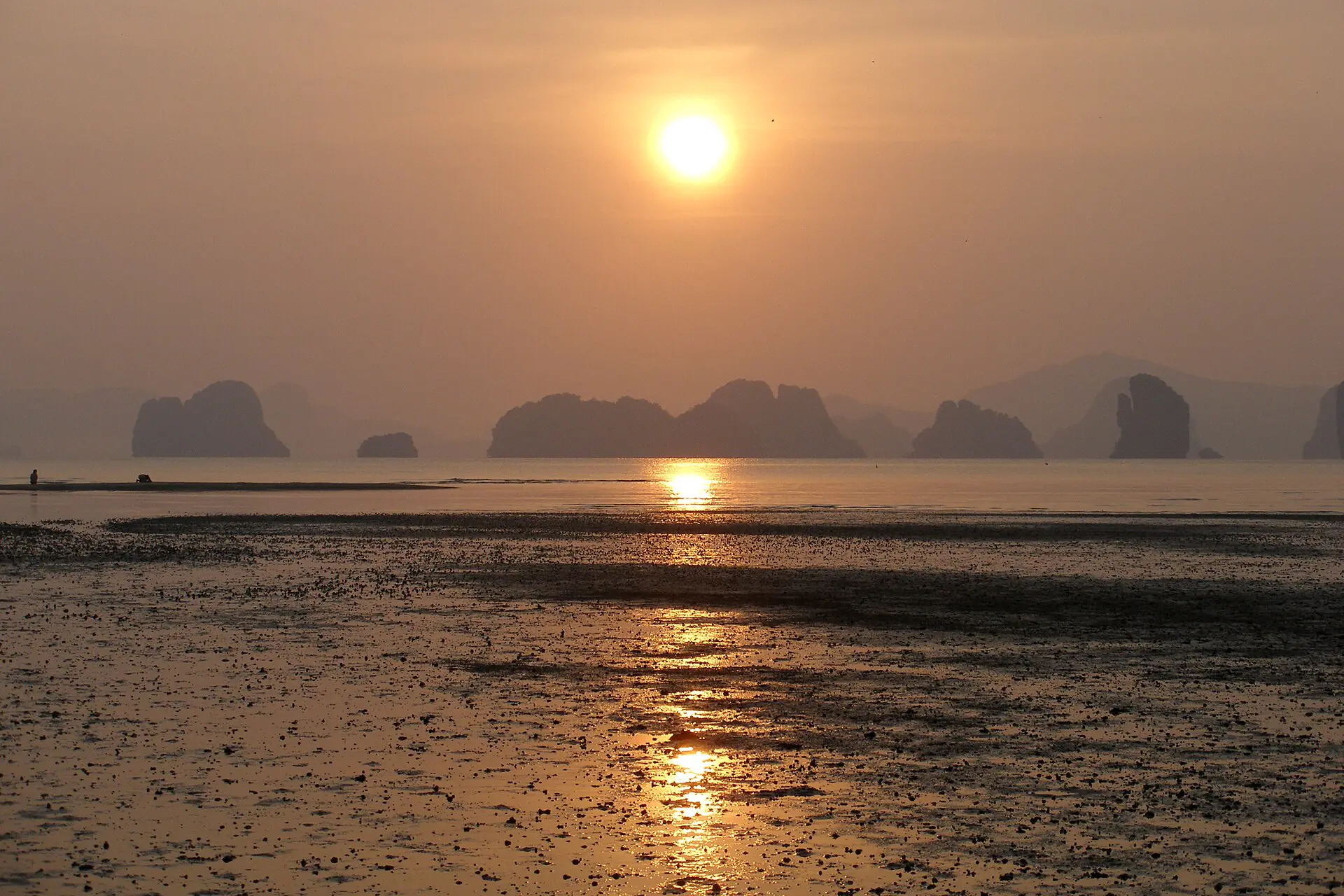
Go where the guidebooks stop.
Private journeys through Thailand and its neighbours, drawn one at a time by people who live here. No packages. No second-hand itineraries.
Explore the journeysA studio, not an agency.
We are a small team of travel designers based on the Chao Phraya. Each of us has spent years in a corner of this country: the Andaman limestone, the Lanna hills, the Khmer temple trail across Isan, the slow river towns nobody markets. We plan perhaps forty journeys a year, and we plan them completely.
A journey with us begins as a conversation and ends with hosts on the ground, a private line that answers at three in the morning, and days that were built around you rather than around a coach schedule.
Teak comes from the northern hills; salt is raked on the flats south of Bangkok. Between the two lies the country — and most of what we plan.
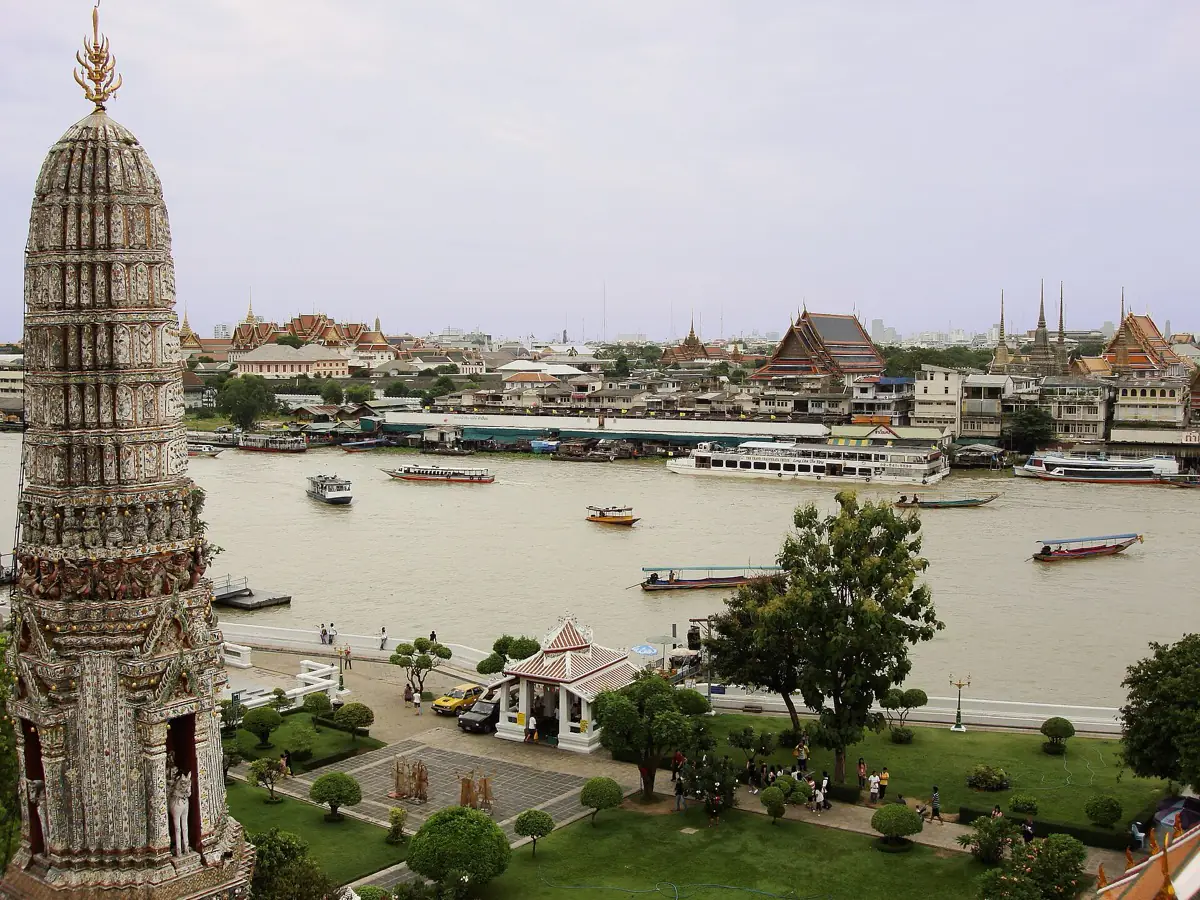
Thailand is not short of beautiful places. It is short of quiet ones. Our work is to find the hour, the tide and the season when a place is still itself, and to put you there with the right person beside you. Some of what we plan is unrepeatable. Most of it leaves no footprints.
Built around a way of moving, not a list of sights.
Every journey below is a starting point. We combine, stretch and rewrite them until the route fits the people travelling it.
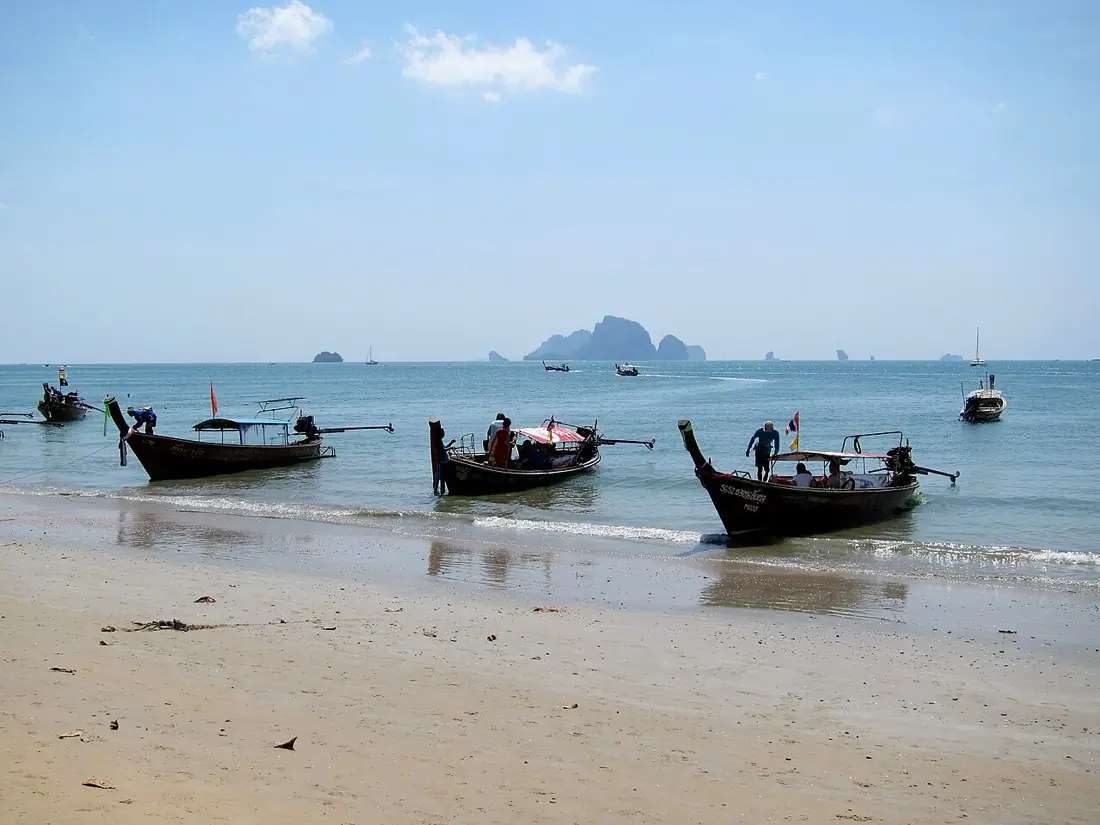
By longtail
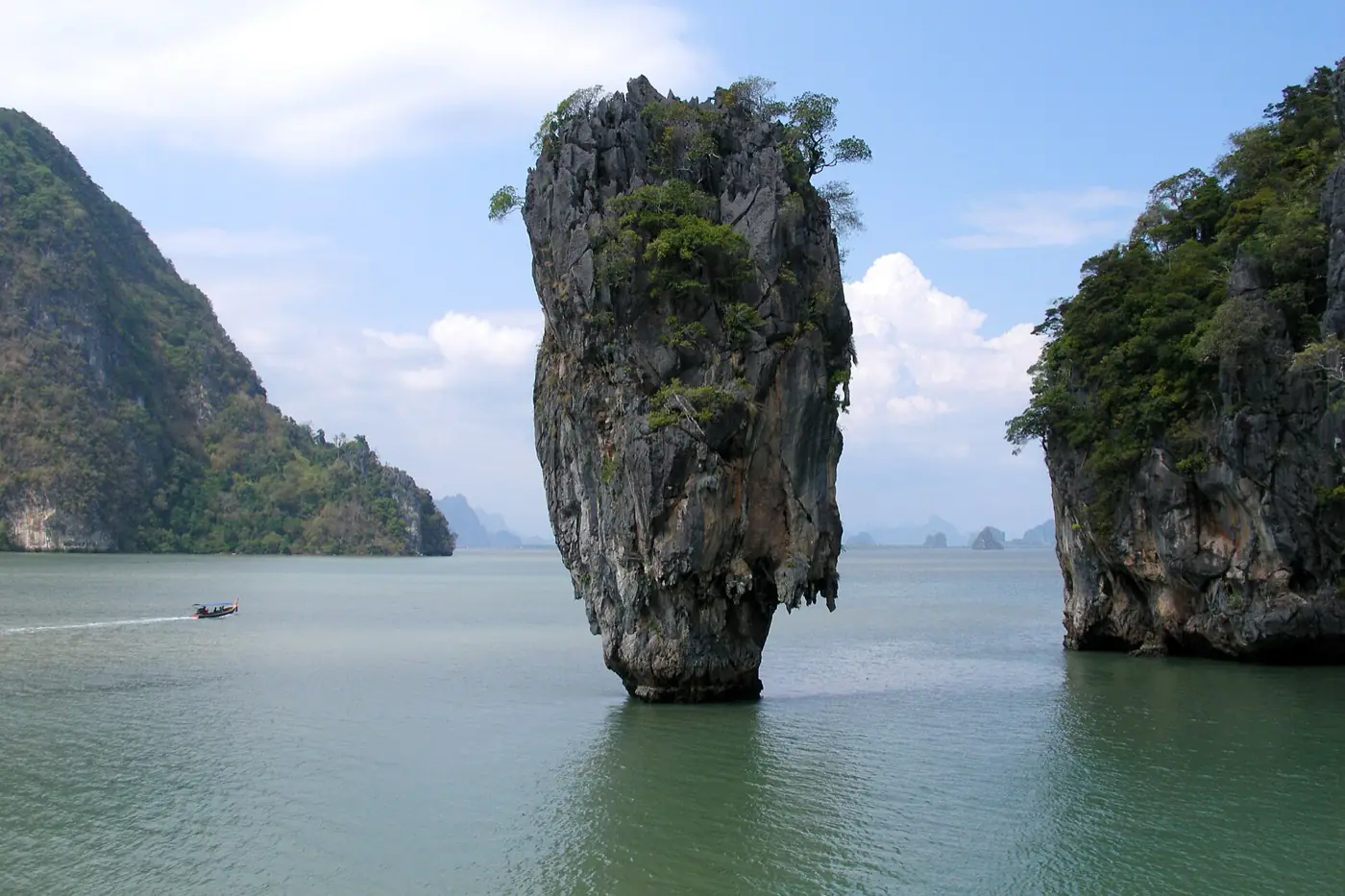
Island to island through the Andaman on a private wooden boat, sleeping on the quiet sides of Yao Noi and Phang Nga.
Andaman · 6 to 10 days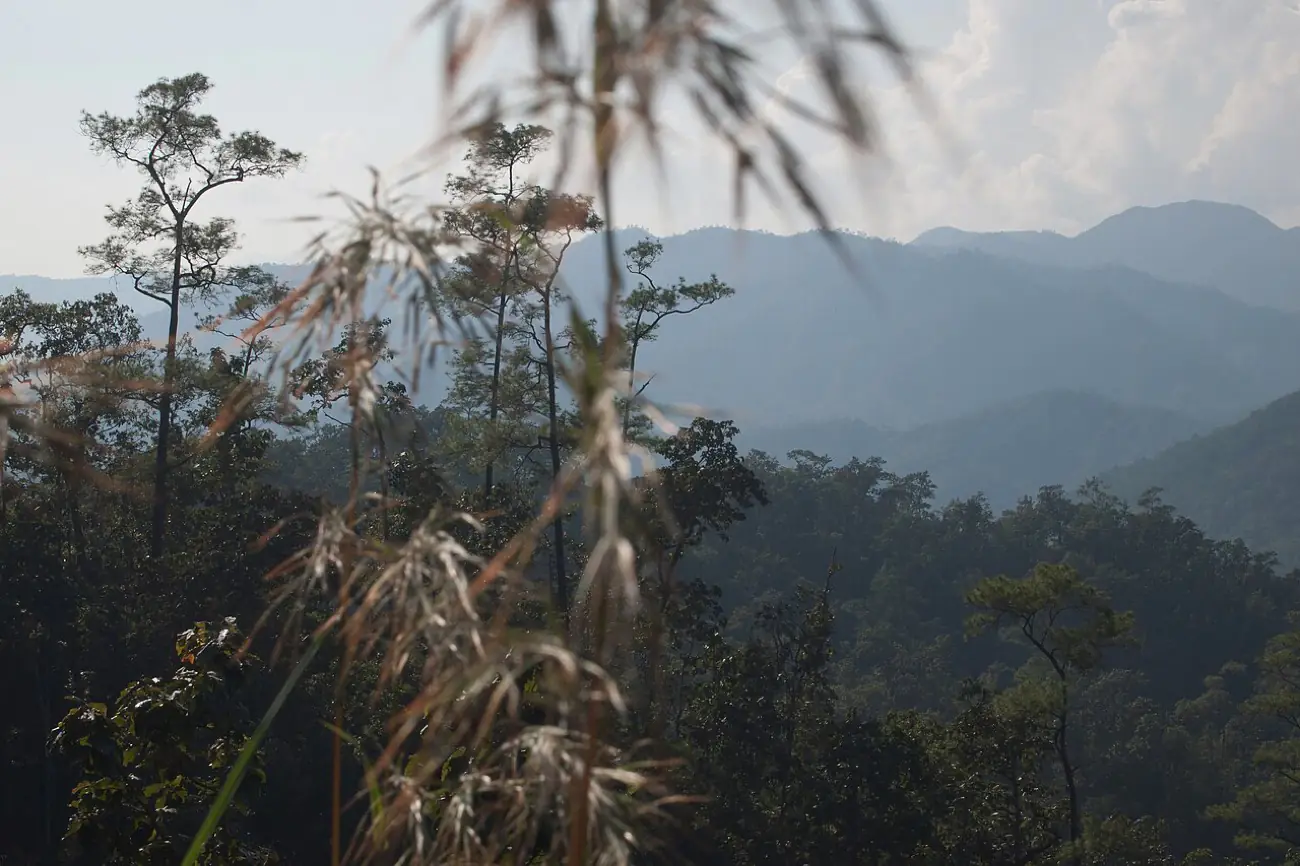
Lanna hills
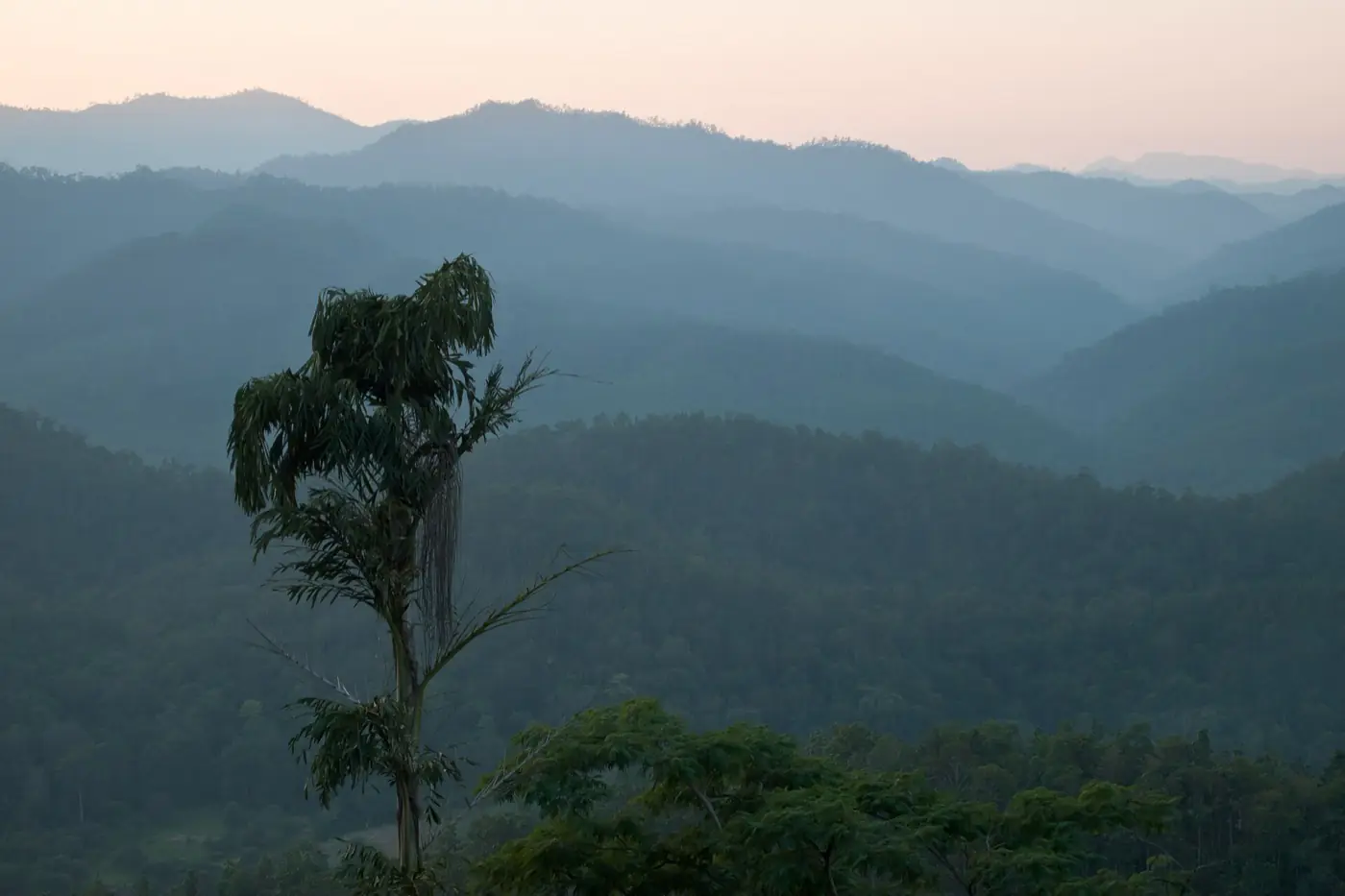
Chiang Mai to Mae Hong Son over the mountain road, with tea houses, hill-tribe kitchens and a night in a teak stilt house.
North · 7 to 12 days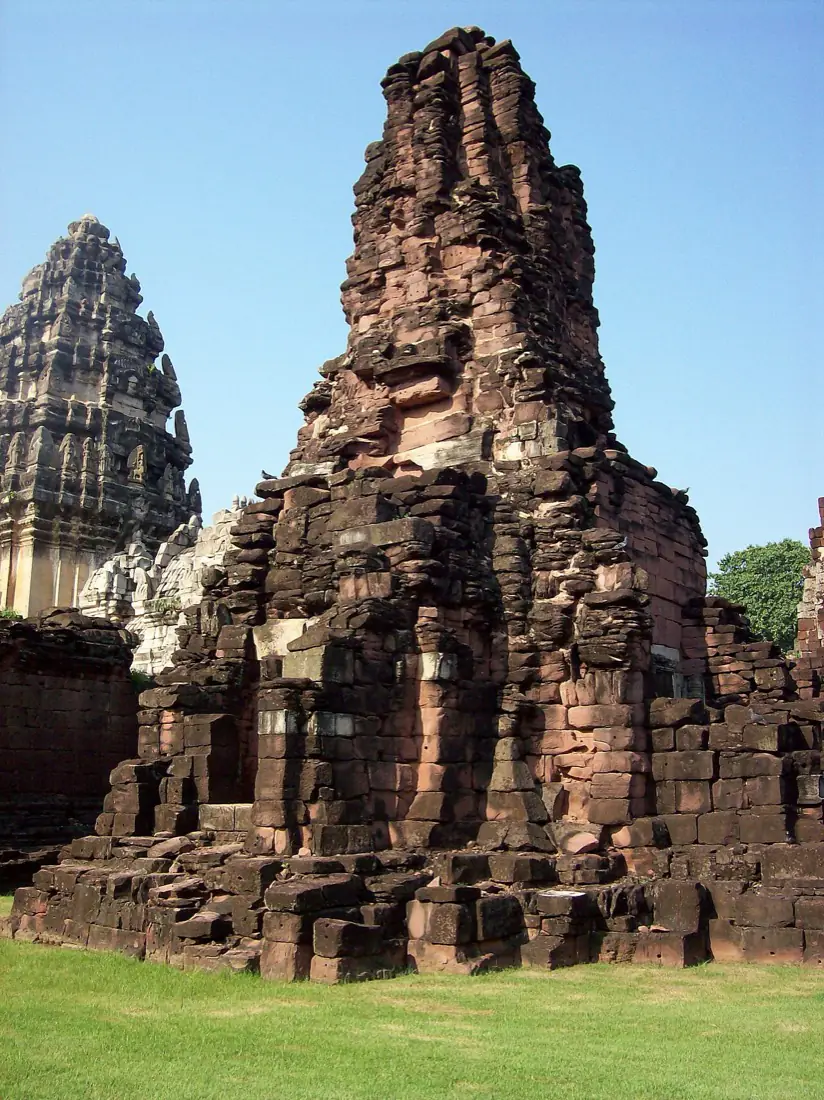
Sandstone & silk
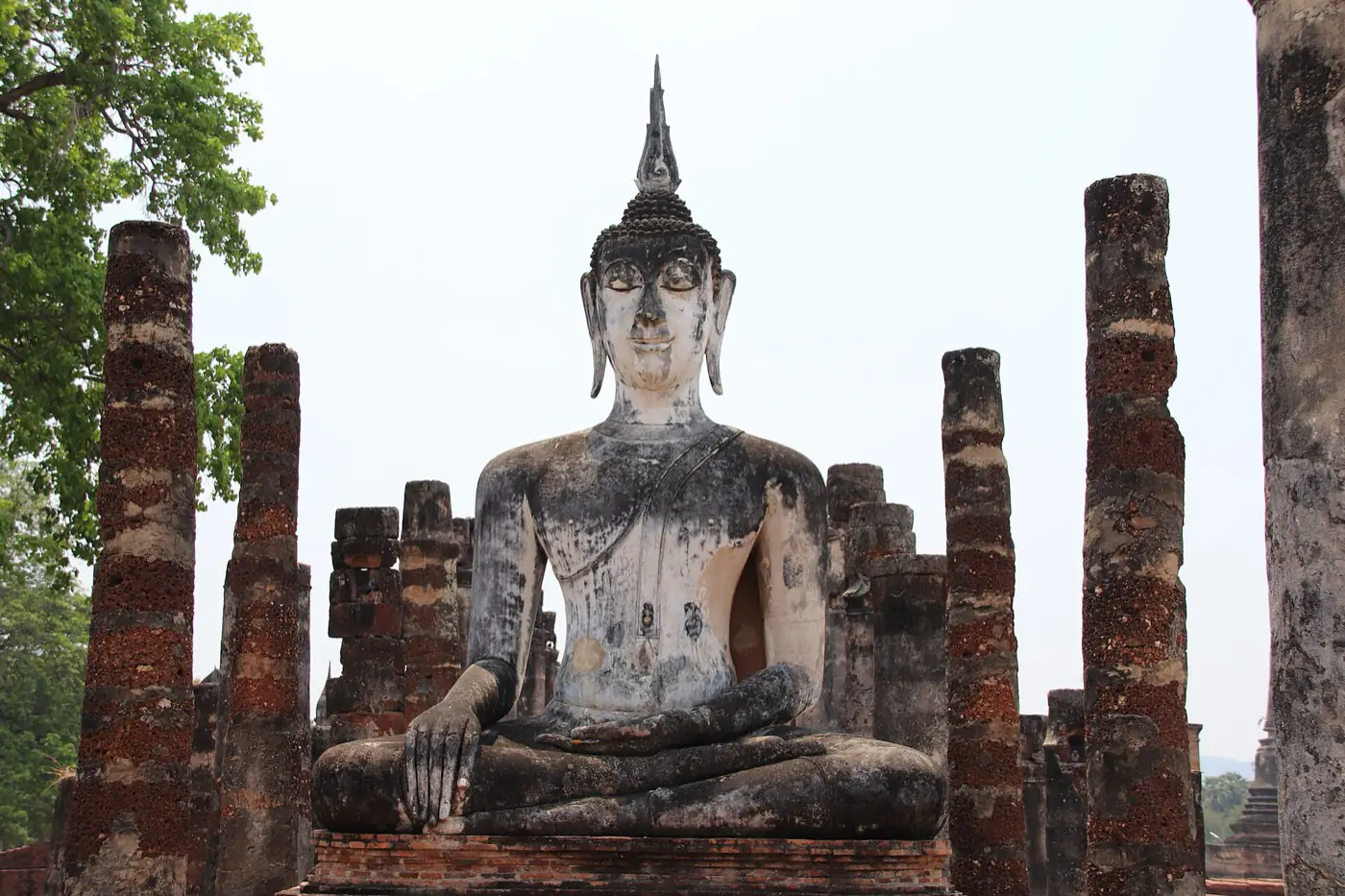
Phimai, Phanom Rung and the sandstone sanctuaries of the Khorat plateau, walked with an archaeologist at first light.
Isan · 6 days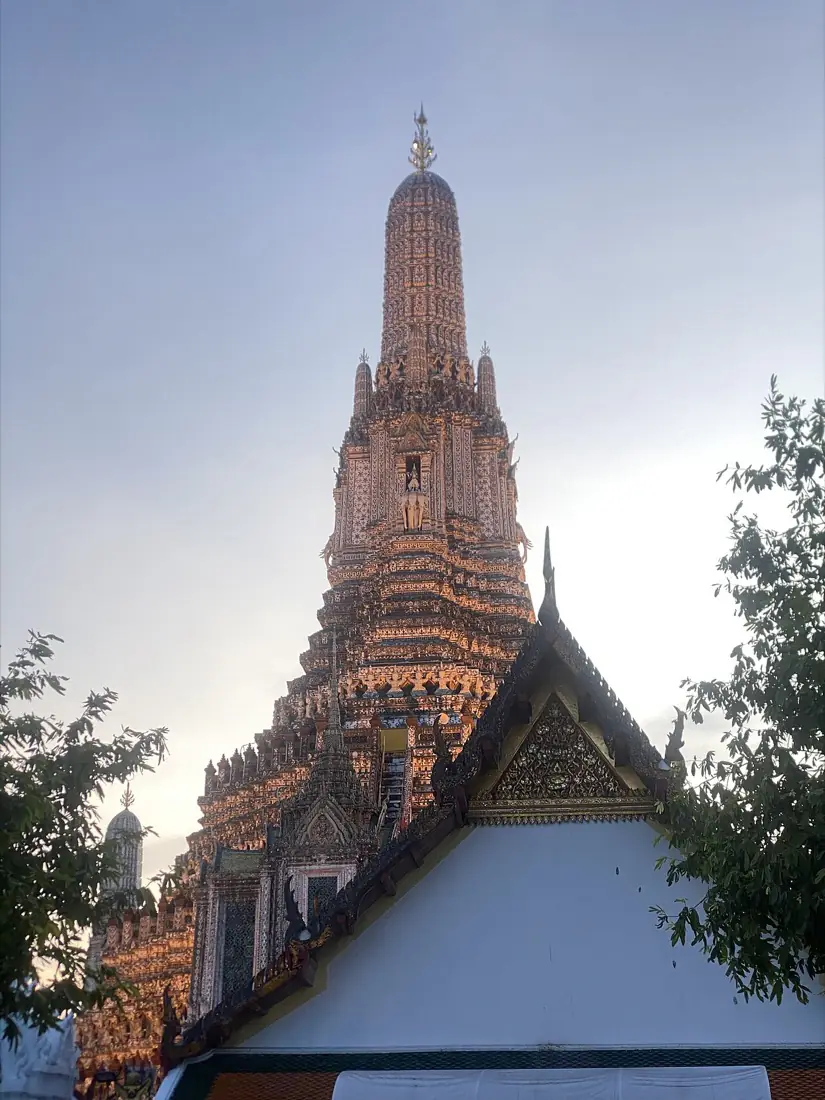
River & city
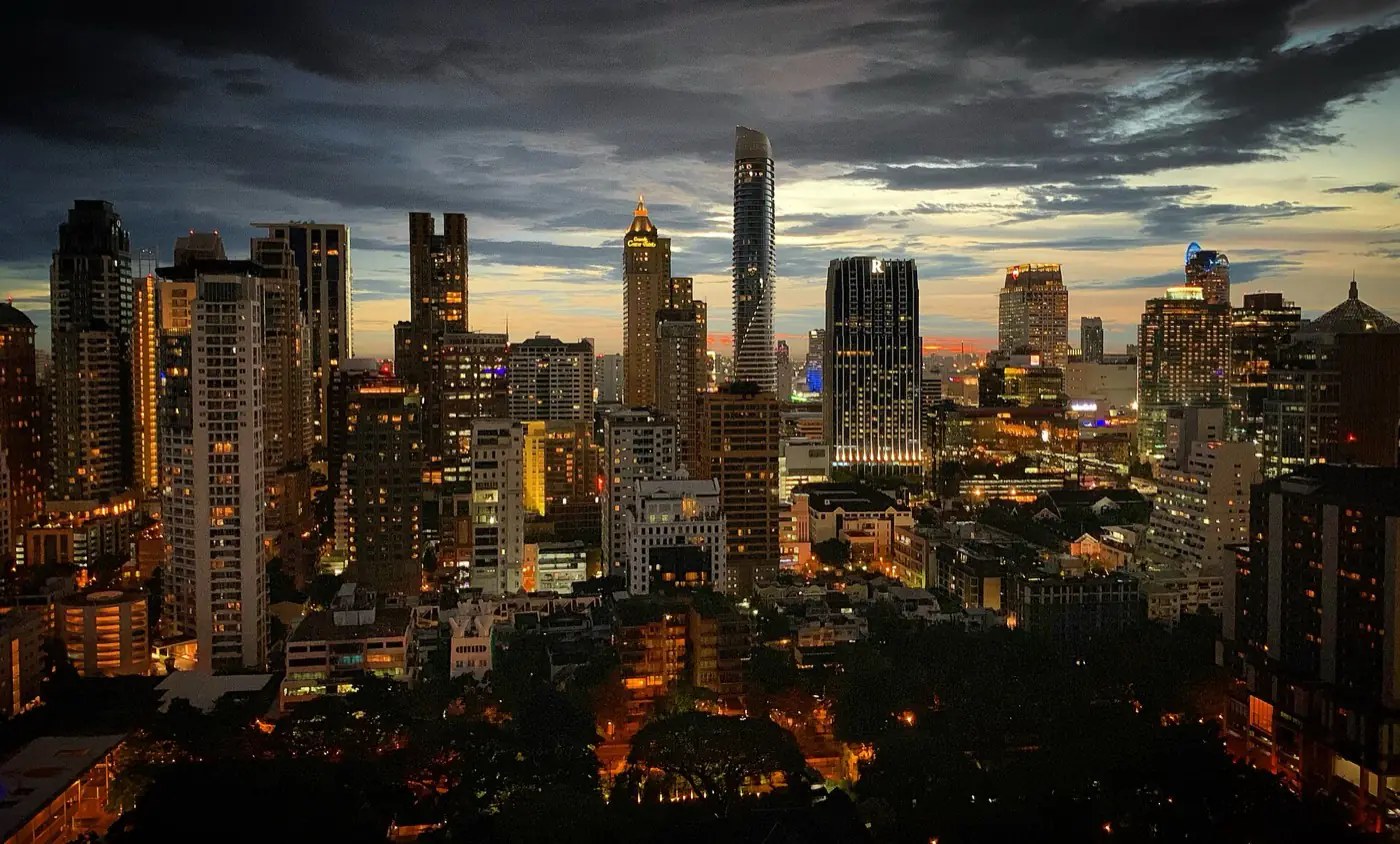
Bangkok by its canals: dawn alms rounds, a private long-tail through Thonburi, dinner on a converted rice barge.
Bangkok · 3 to 5 days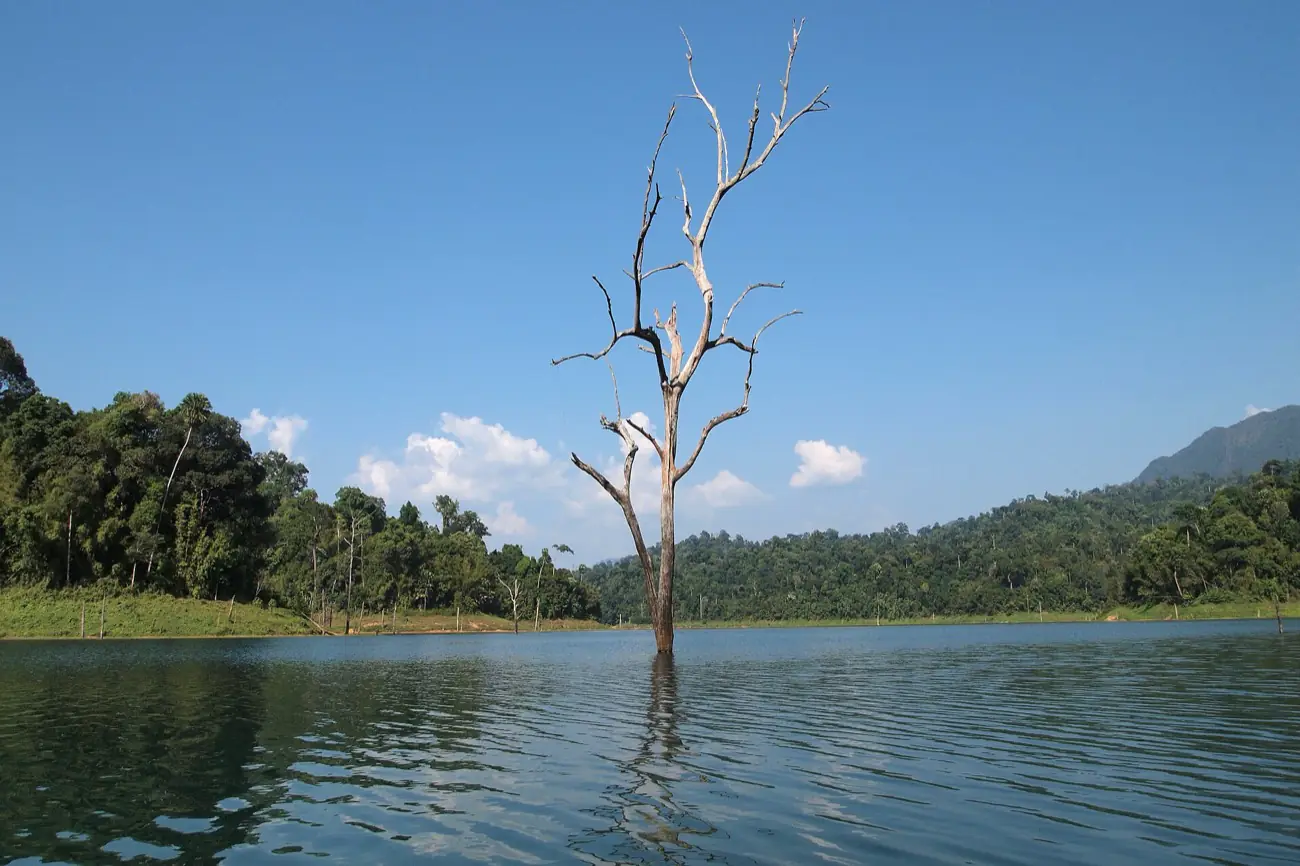
Khao Sok deep
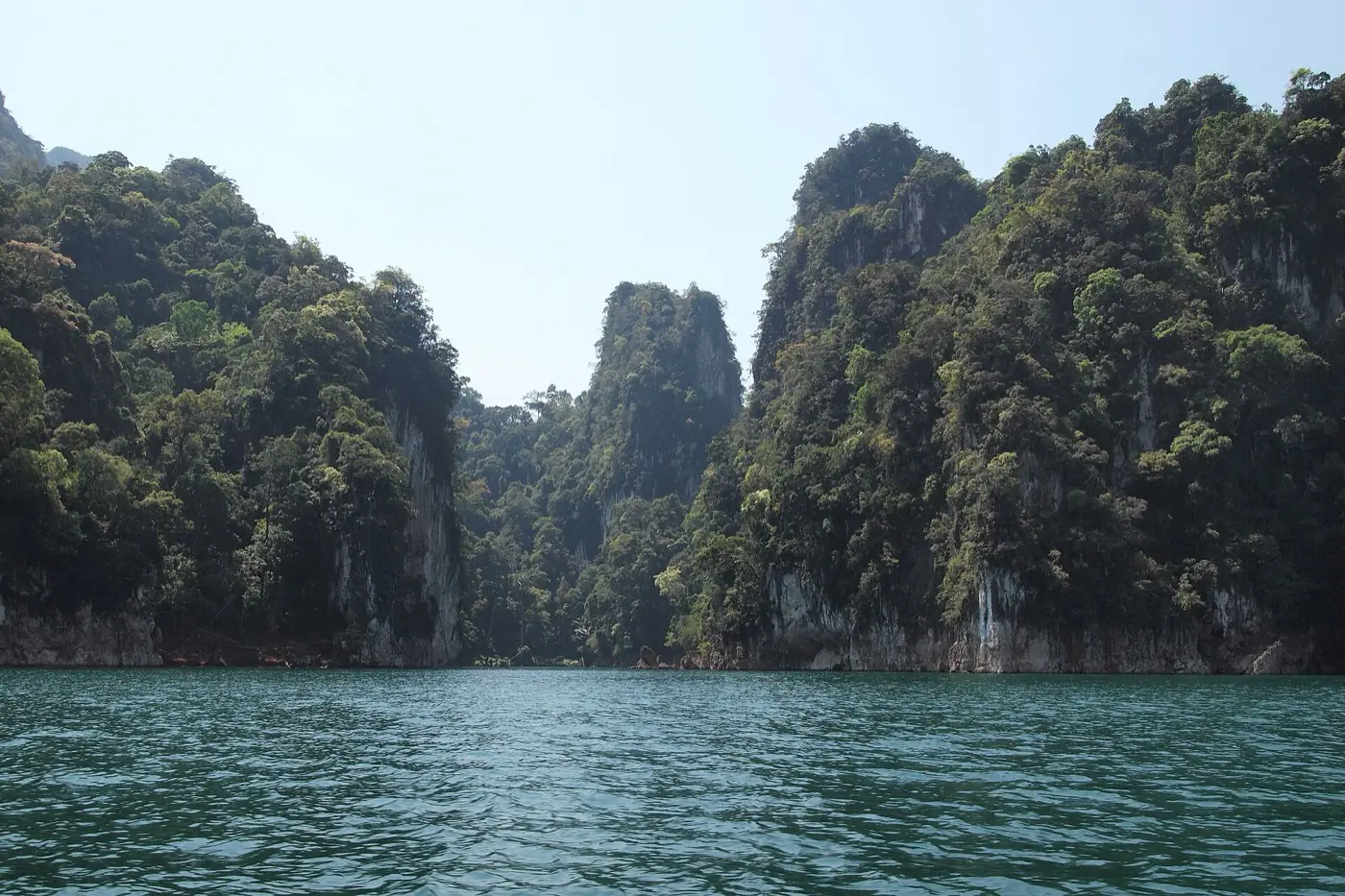
Floating lodges on Cheow Lan lake, gibbons at dawn, and a rainforest older than the Amazon by a guide who grew up in it.
South · 4 to 6 days
Beneath the Andaman
Liveaboard weeks to the Similans and Richelieu Rock, with a private divemaster and whale-shark season timed to the day.
Andaman · 5 to 8 days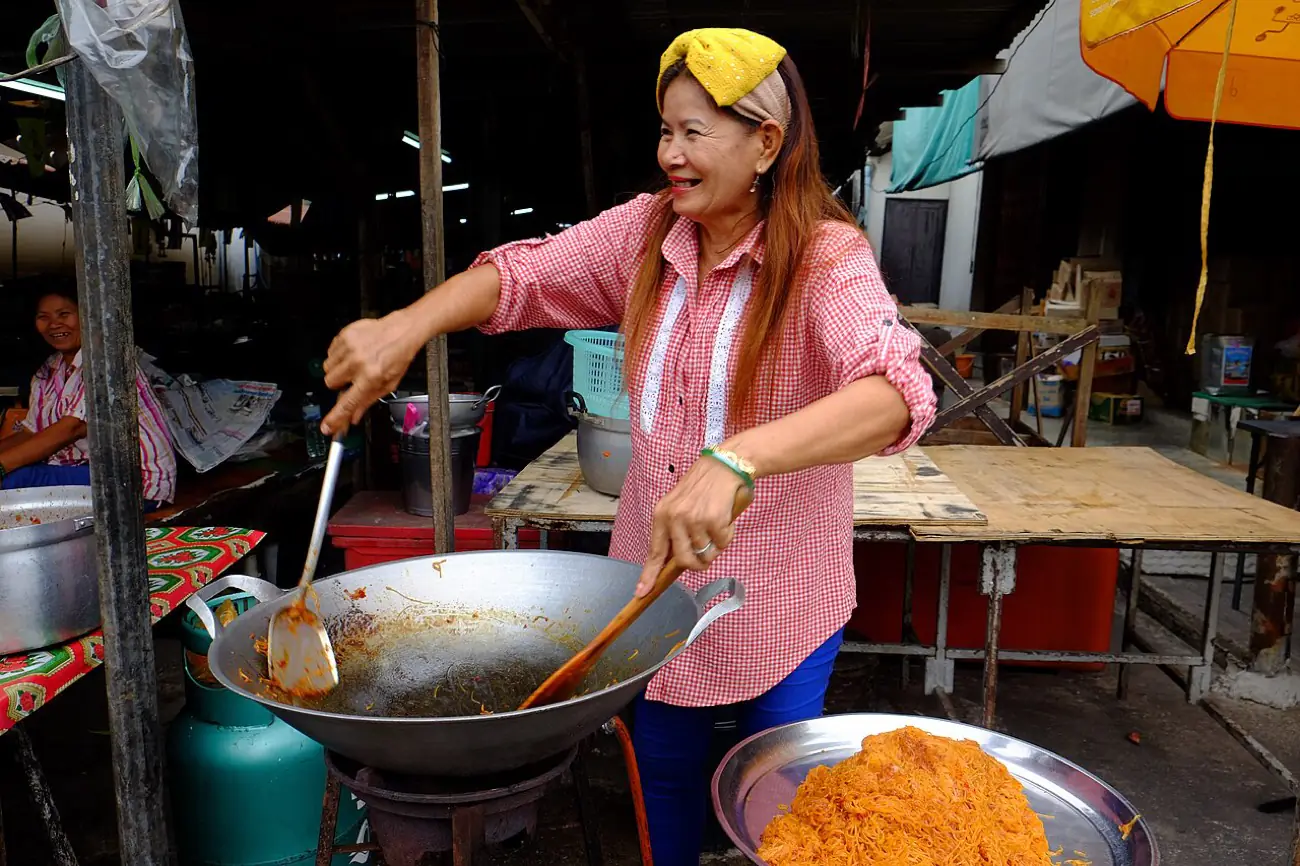
Table to table
From a Chinatown wok counter to a chef's table in Sathorn, with the markets, growers and fishers in between.
Bangkok & beyond · 4 to 7 days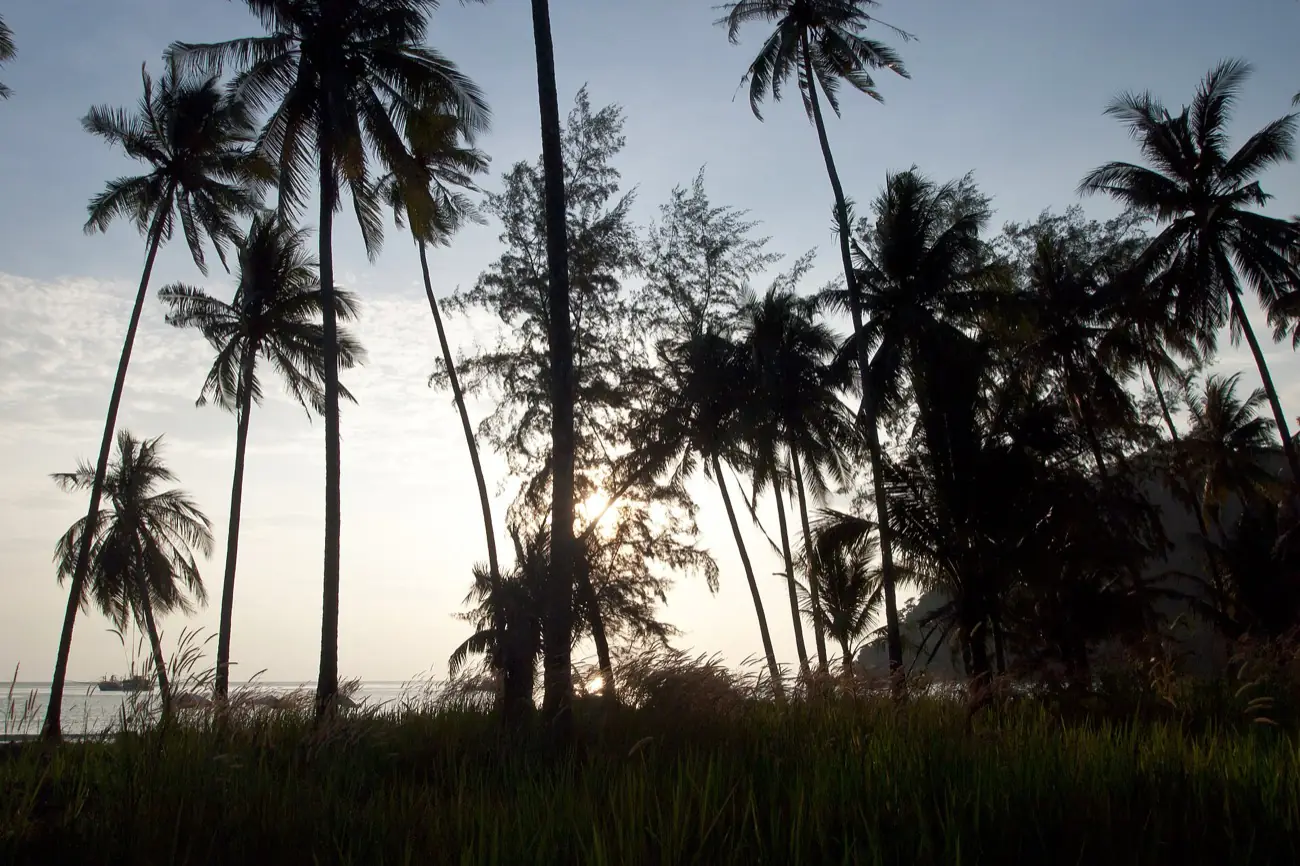
Slow east
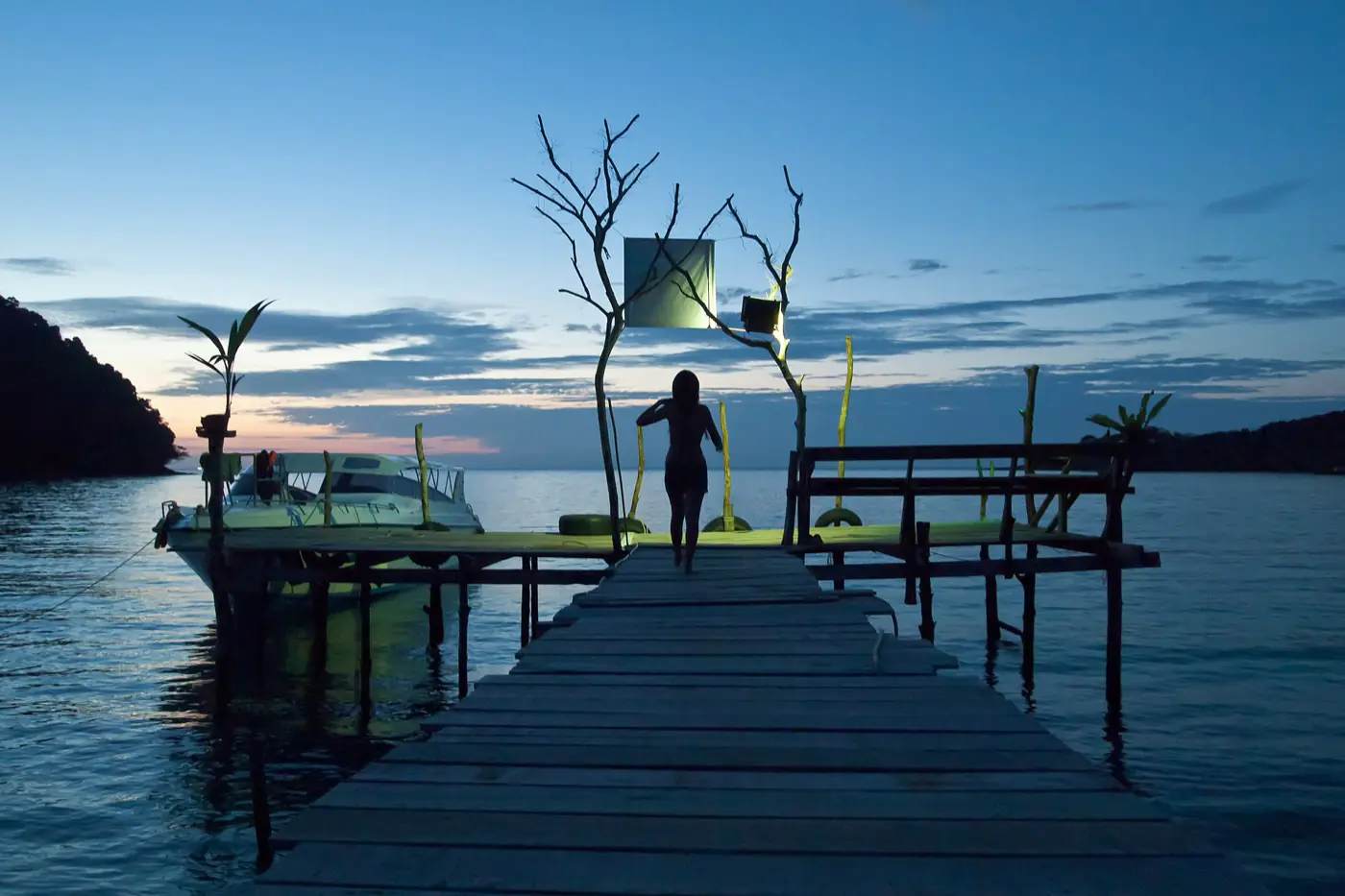
Koh Kood and the Trat coast, where the roads run out. A villa, a boat, and very little else on the calendar.
Gulf of Thailand · 5 to 9 daysPlaces we keep returning to.
Eat the whole country, not just the famous plates.
Thailand is the rare place where the best meal of your trip might cost sixty baht or six thousand — and where both are worth planning for.
Four regions, four kitchens. Sour and herbal in the north, chilli-hot and fermented in Isan, sweet and coconut-rich in the centre, and turmeric-yellow with the sea in the south.
From a plastic stool to a two-star counter.
Indicative price per person, food only.
Approximate USD at ฿33 to the dollar.
Street & stall
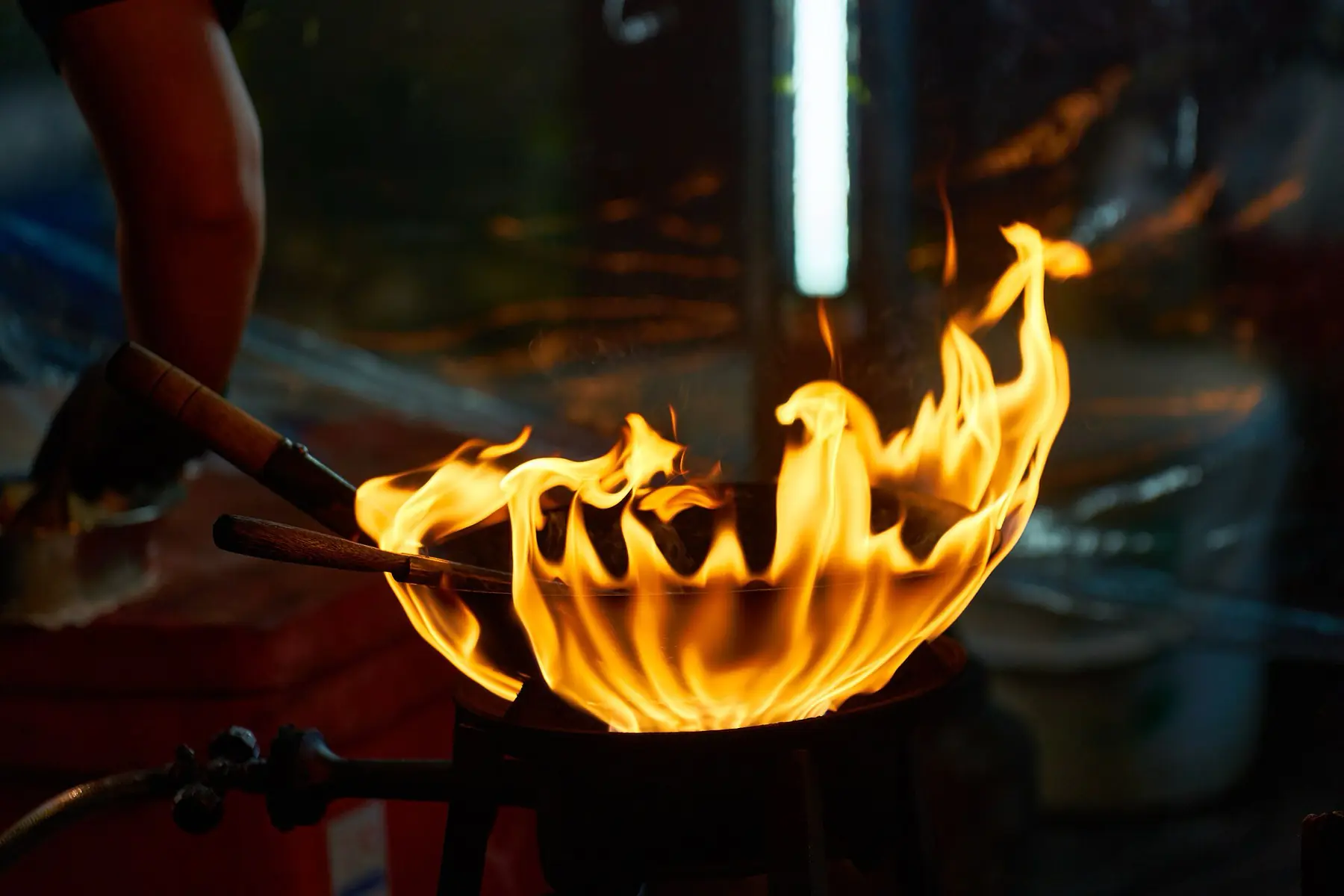
ร้านริมทางA cook who has made one dish for thirty years, a wok on a trolley, plastic stools on the pavement. Often the best thing you eat all week.
Market & shophouse
ข้าวแกงTiled walls, ceiling fans, trays of curries chosen by pointing. Family recipes, second and third generation, lunch finished by two.
Modern Thai bistro
อาหารไทยร่วมสมัยYoung chefs cooking regional food seriously — Isan with natural wine, southern curries at a marble counter, produce credited by farm.
Chef's table
โต๊ะเชฟTen seats, one counter, a menu decided that morning at the market. The chef cooks in front of you and explains every plate.
Gastronomy
ไฟน์ไดนิ่งBangkok's starred rooms and their tasting menus — the reason the city is now a destination in its own right. Booked months ahead; we hold the tables.
Meet the meal before it is a meal.
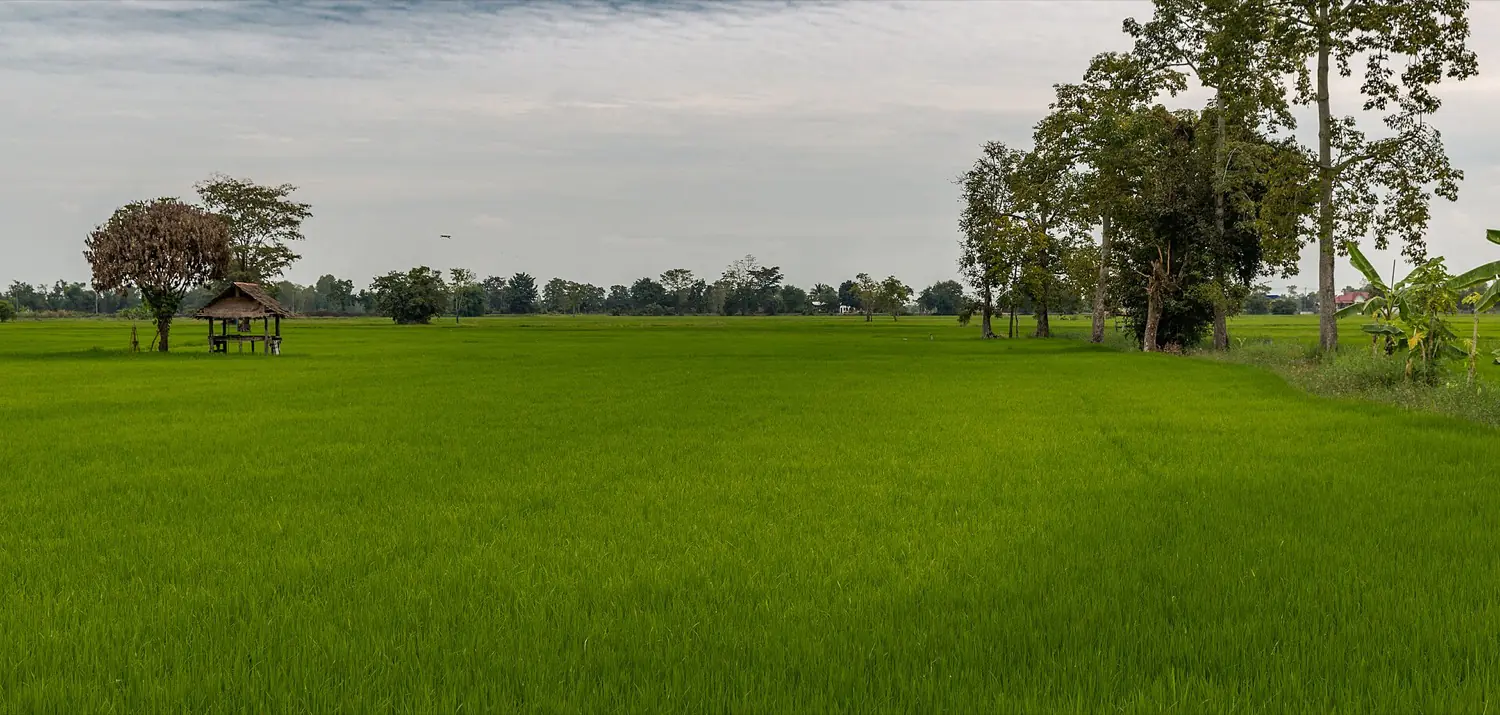
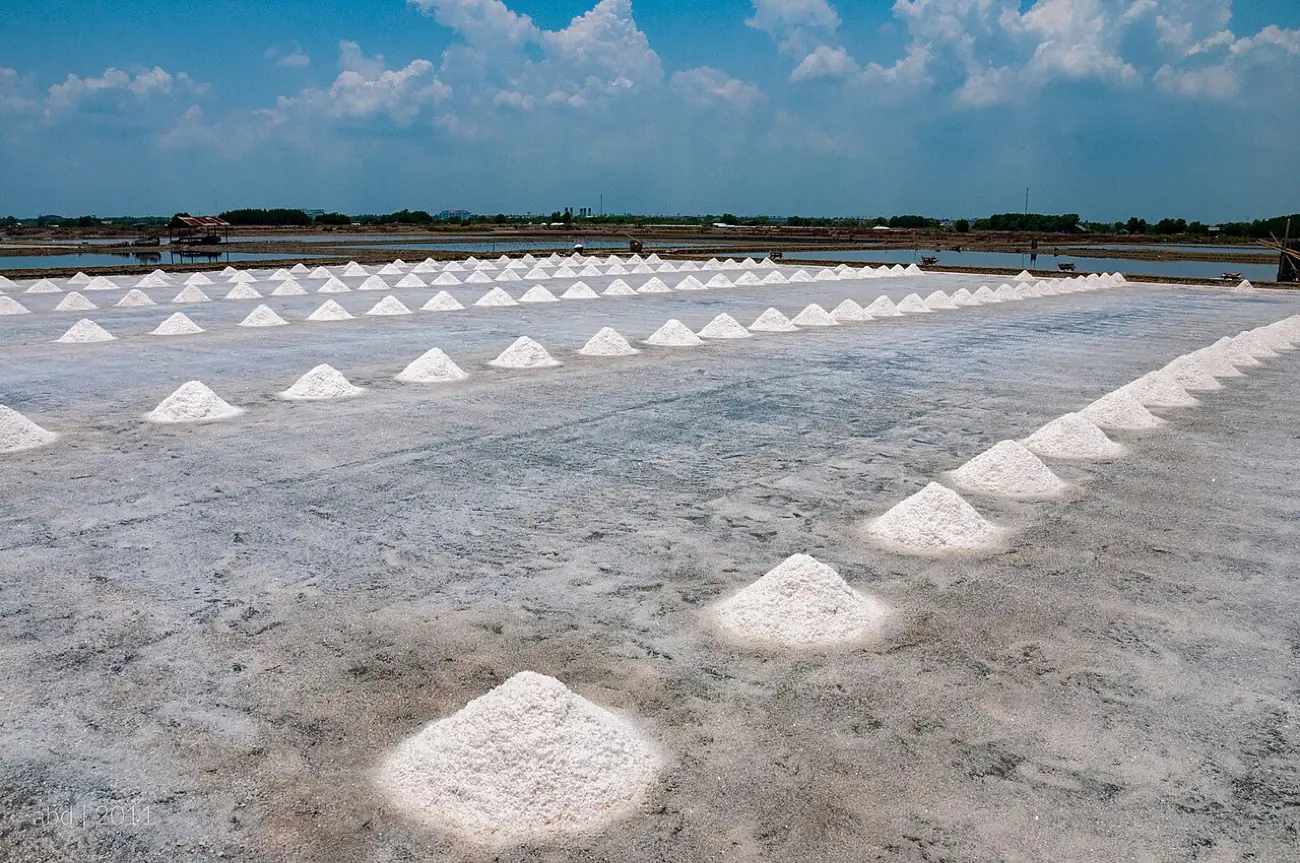
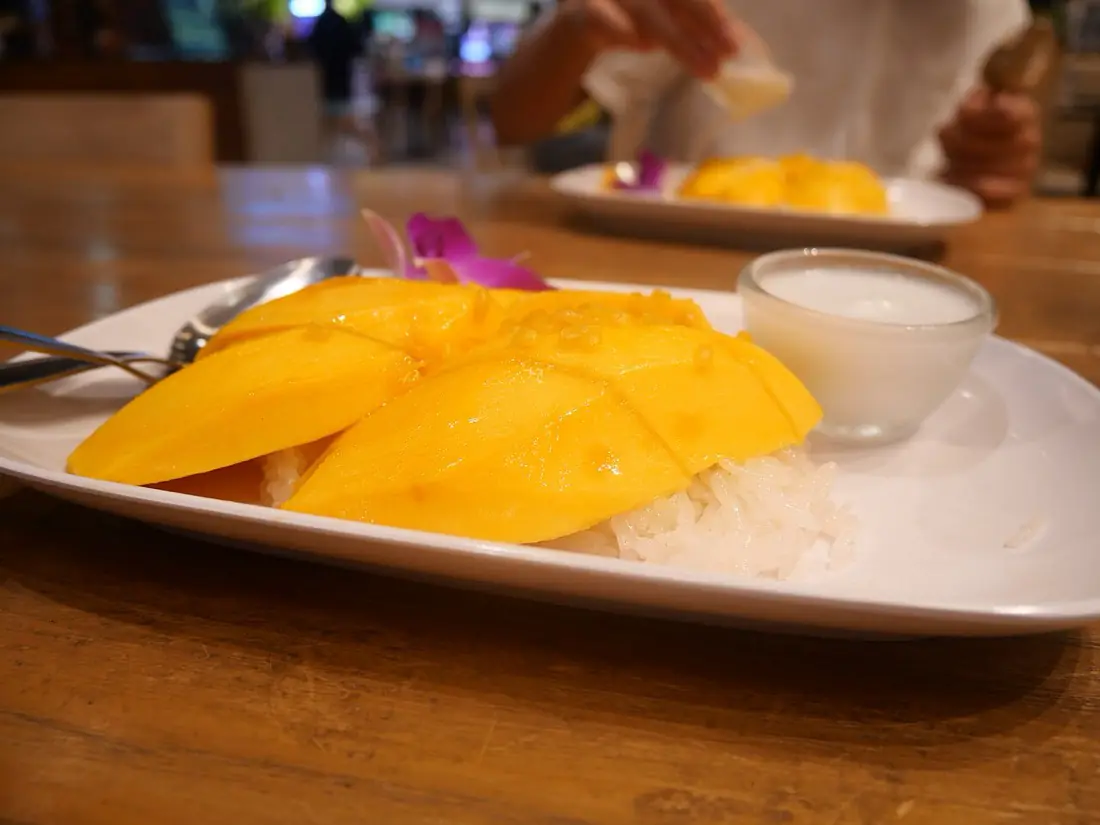
The most memorable food days we plan rarely start in a kitchen. They start in a paddy at six in the morning, or in a salt pan, or on a boat coming in. You plant, harvest, dig, rake or haul — then you cook what you gathered and eat it where it grew.
- Jun–AugRice planting with a family outside Sukhothai — barefoot, in the mud, with lunch under the trees.
- Nov–DecHarvest season: cutting, threshing and the first meal of the new rice.
- Feb–MayRaking the salt pans of Samut Songkhram at dawn, before the heat.
- May–JulDurian and mangosteen season in the Chanthaburi orchards, eaten off the tree.
- Year roundCoconut sugar at Amphawa, fish sauce on the Trat coast, and highland coffee with Karen growers above Chiang Mai.
Dawn at the wet market
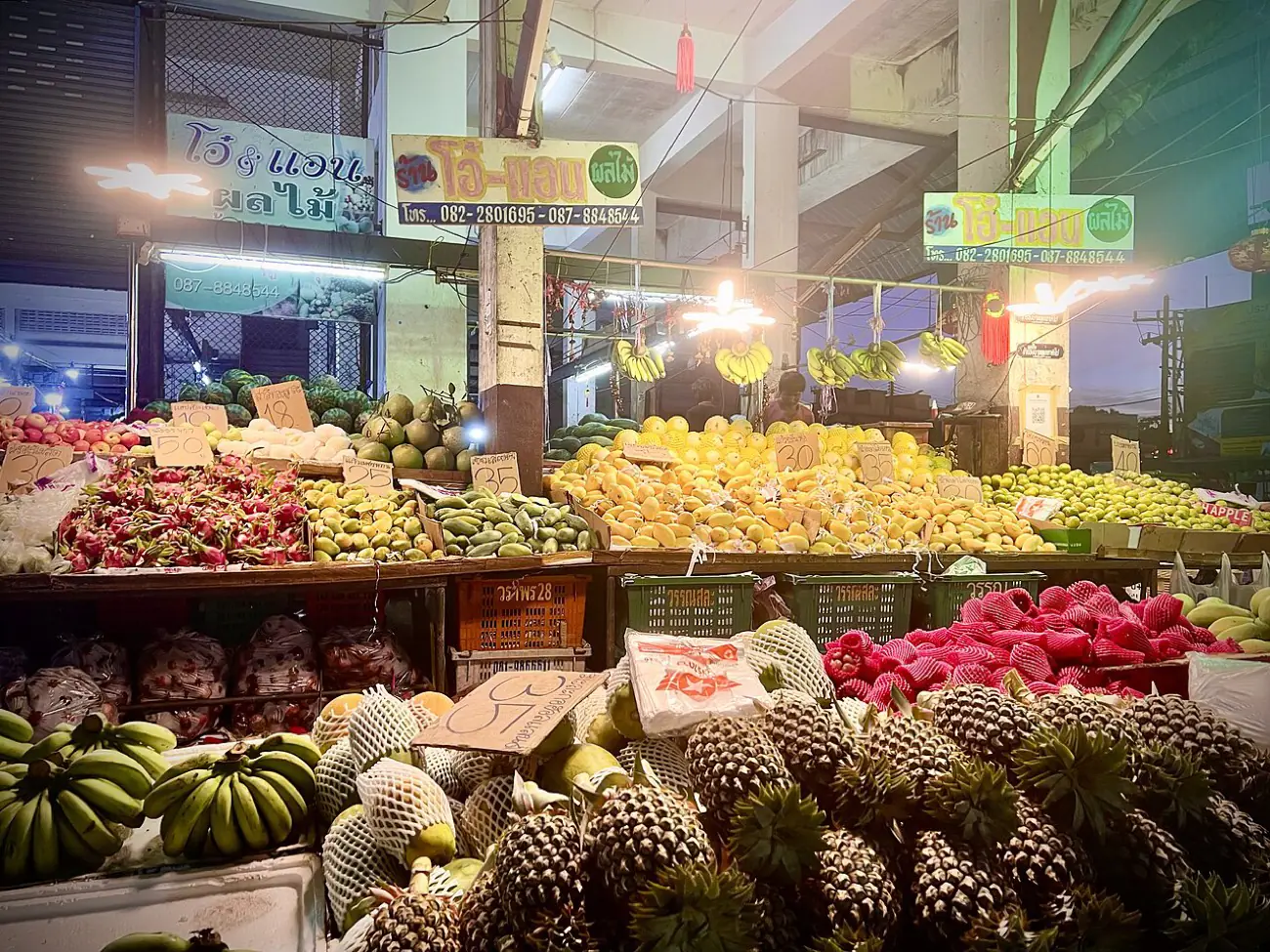
The market before the restaurants arrive, with a cook who explains every herb, then a half-day in a kitchen turning it into lunch.
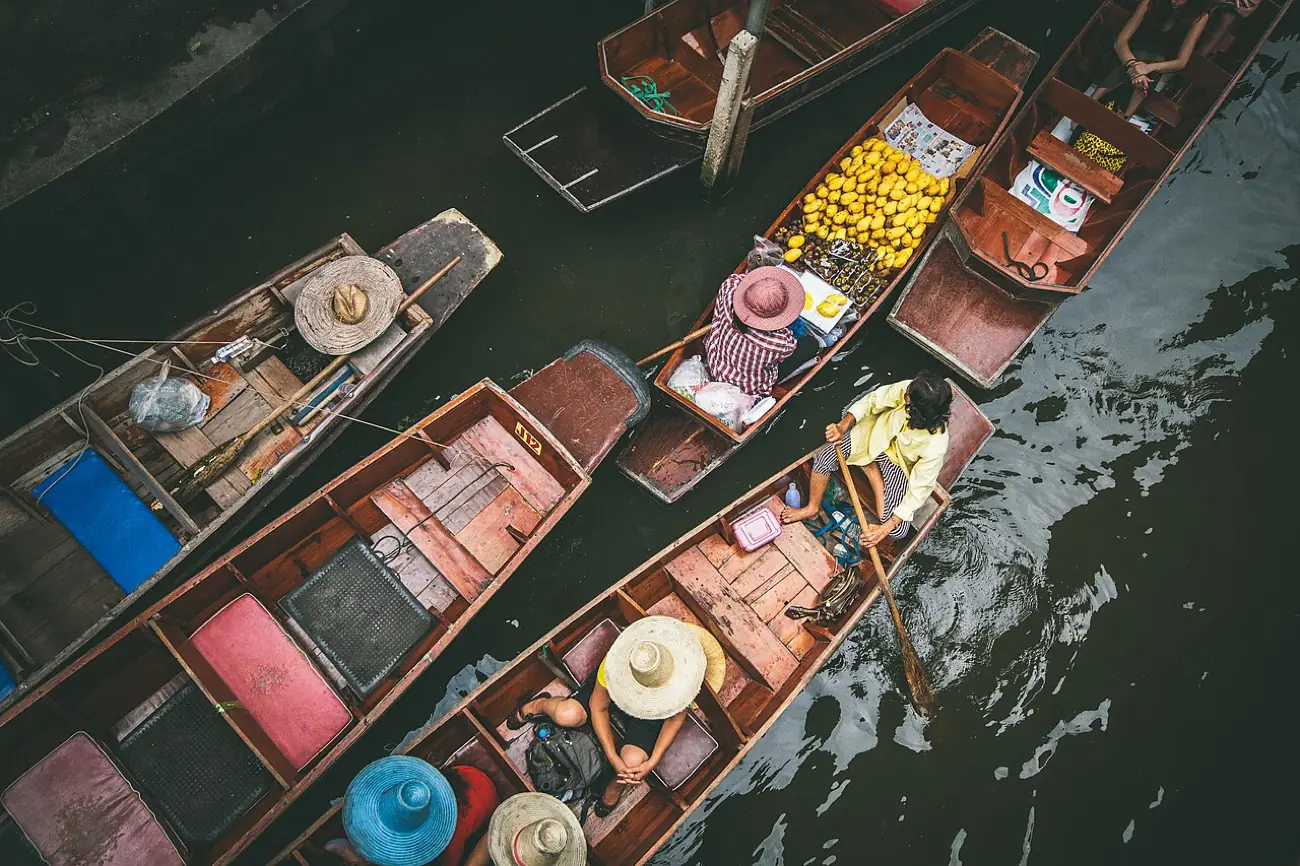
Breakfast on the water
A private long-tail to a working floating market at first light — boat noodles and coffee bought from the boat alongside, hours before the tour groups.
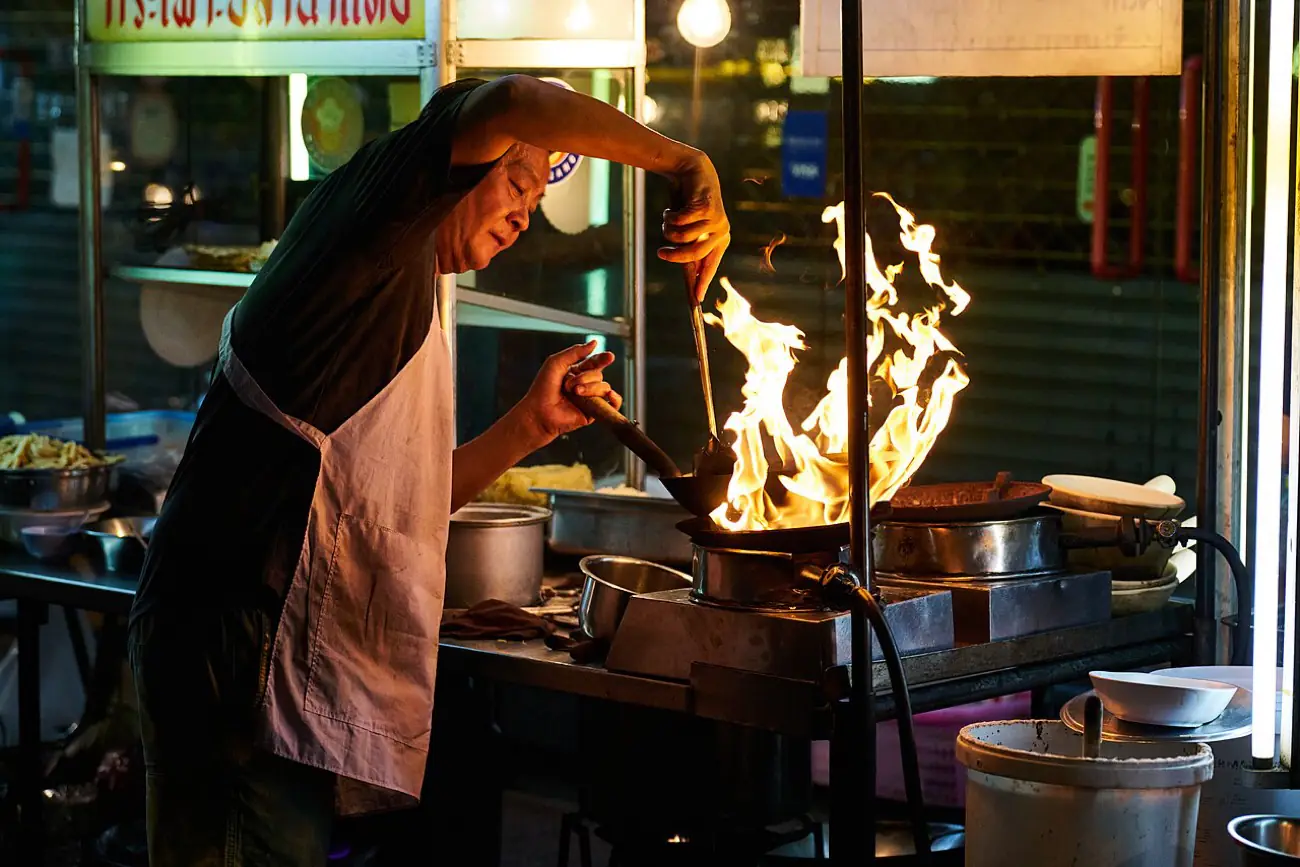
Yaowarat after dark
Eight stops through Chinatown on foot: charcoal-grilled seafood, guay jub, toasted buns, and the dessert cart that only appears after eleven.
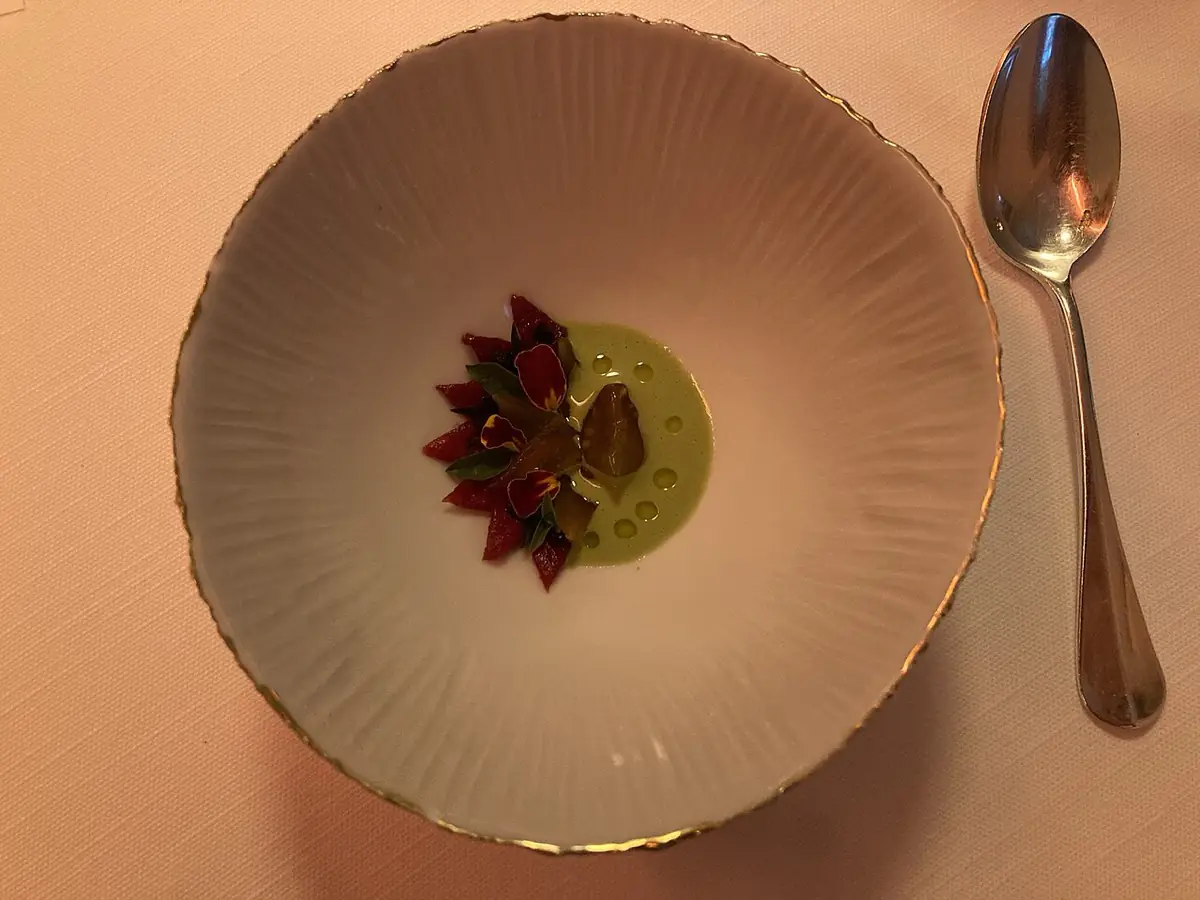
The counter
Seats at the tables that are impossible to book — starred tasting menus and ten-seat chef's counters, held for you months in advance.
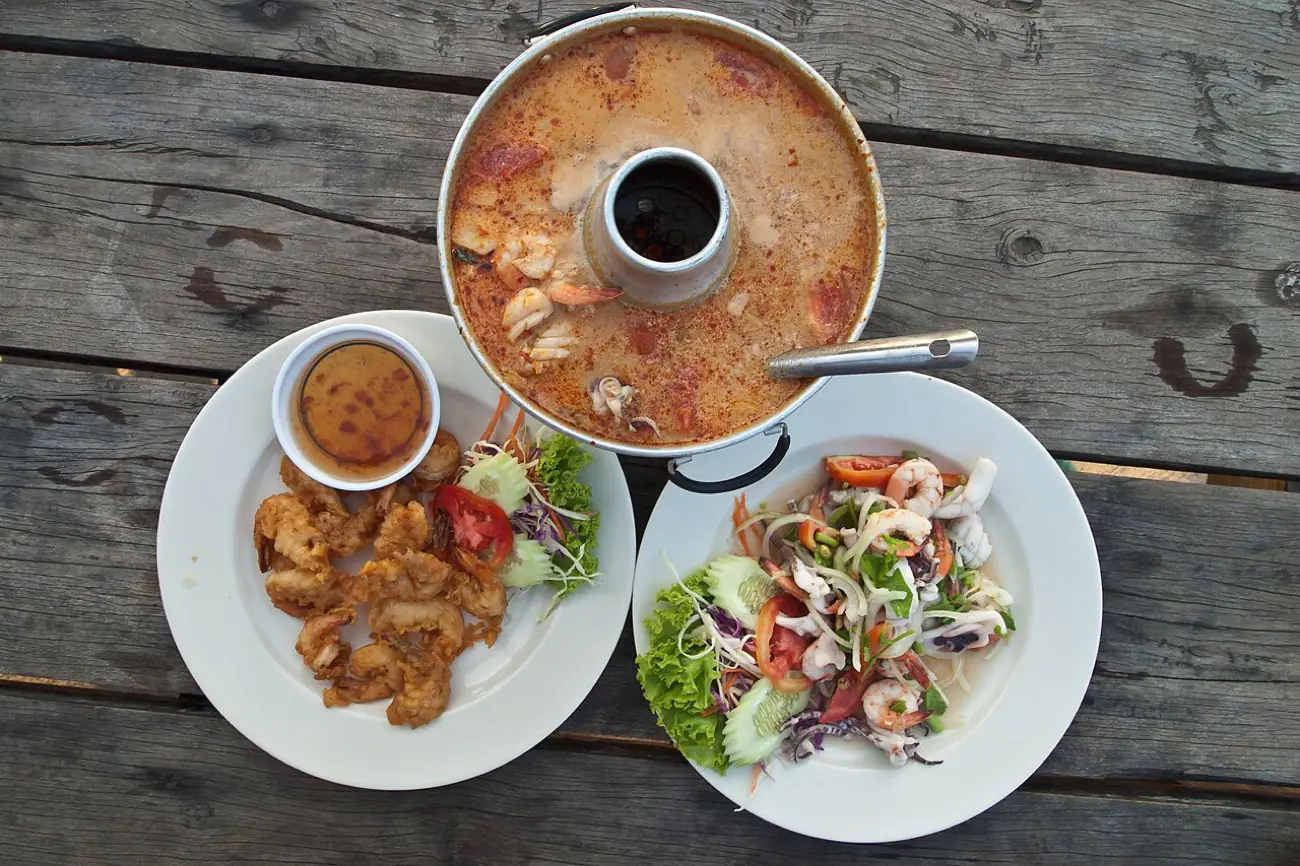
Straight off the boat
Meet the squid boats coming in at dawn on the Gulf, choose from the crates, and have it grilled over coconut charcoal on the sand an hour later.
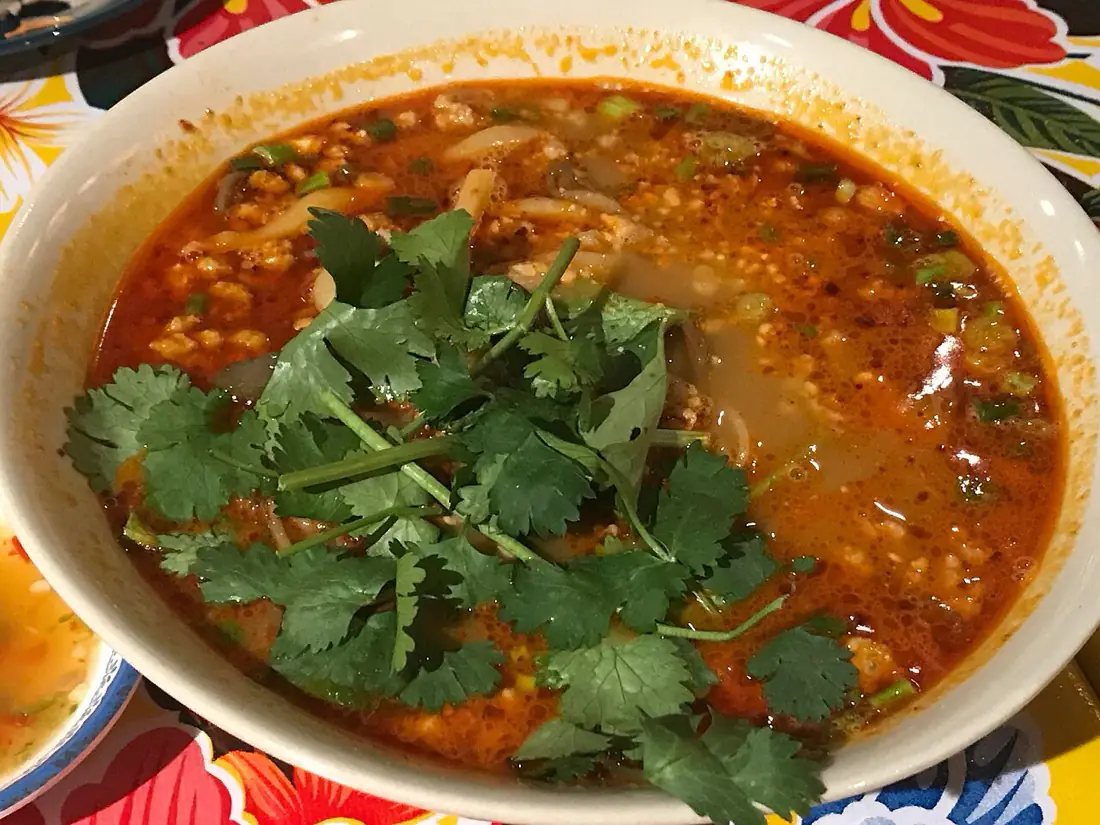
One dish, properly
Tom yam, som tam or massaman traced from grower to pot — three kitchens cooking the same dish three regional ways, eaten side by side.
Every allergy, intolerance and preference is briefed to each kitchen in Thai before you arrive — including the ones that are difficult to explain in a market. Vegetarian, halal and no-shellfish journeys are all routine for us.
Two coasts, two monsoons.
Thailand has good weather somewhere in every month. The trick is knowing which coast is dry while the other is not.
| Region | Jan | Feb | Mar | Apr | May | Jun | Jul | Aug | Sep | Oct | Nov | Dec |
|---|
Green-season travel has its own case. The Gulf islands are at their best in July while Phuket is under rain, and the northern hills are at their greenest in August. We plan for weather, not around it.
What “vetted” means here.
Most of this industry ranks suppliers on the same public review scores you can read yourself. That is not a recommendation, it is a search result. Ours is first-hand, and this is the rule we hold it to.
What we will not claim. We have not been everywhere. Where a place is on our list because we trust the person who runs it rather than because we have slept there ourselves, we will tell you that when we suggest it.
Somebody from the studio has been
Not a site inspection arranged by the property. A designer has stayed, eaten, dived or driven it, unannounced and paying, the way you will.
Re-checked every eighteen months
Kitchens change hands, chefs leave, a lodge is sold. A stay we have not seen inside eighteen months is marked as such on our side, and we say so rather than trading on an old visit.
Judged on the day you would have
Not the best day. We look at a place in the season you would go, at the hour you would arrive, with the noise, heat and crowd you would meet.
The people, not just the property
Who guides you matters more than the room. Guides are chosen individually, by name, and we will tell you who is taking you and why.
Dropped without ceremony
One serious safety lapse, one dishonest bill, or a pattern of indifference and a supplier leaves the list.
We are paid commission by some suppliers, and it is disclosed in our terms. It never decides who is on this list — which is exactly why the rule above has to be written down where you can hold us to it.
Start with a conversation.
Four quick questions — who is coming, what you want the days built around, and the shape of the trip. It takes a minute and it is where every journey we plan actually starts.
Begin planning